



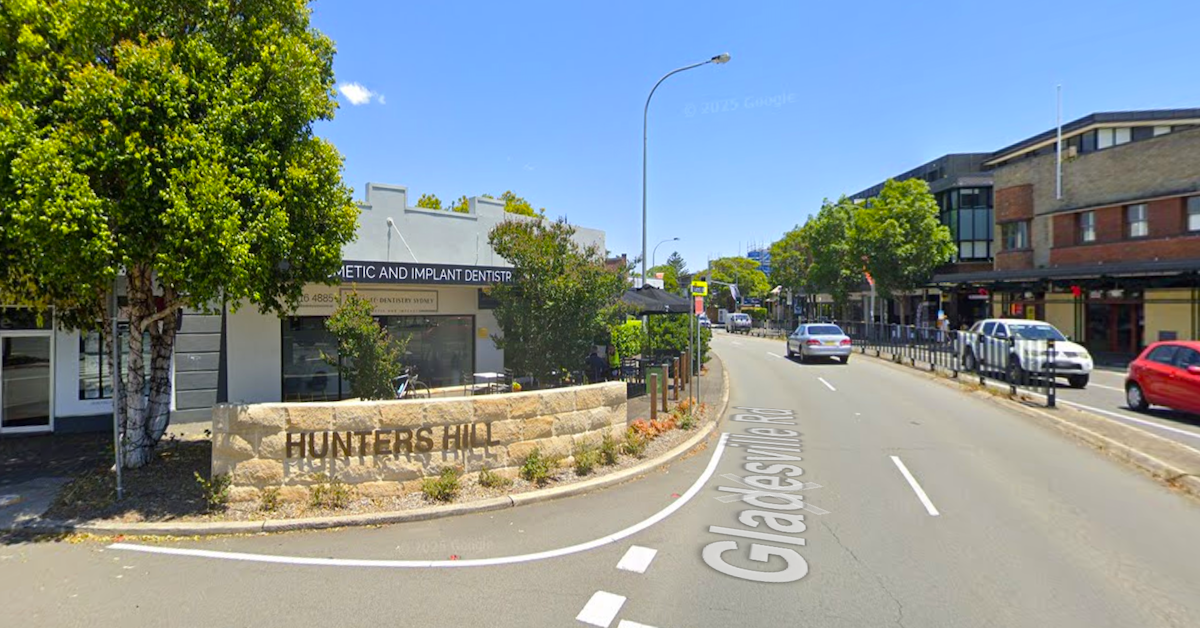
A daylight attack on a teenage Riverview student at a Hunters Hill bus stop has led to a campaign for targeted CCTV at higher-risk stops across NSW. The proposal would give priority to locations used heavily by schoolchildren, busy interchanges and stops with reported safety concerns.
Fifteen-year-old Jordan Herrera-Hu was travelling home with his twin brother Jason on Sunday, 16 August, after spending the afternoon in Burwood. At about 4.15 p.m., a man allegedly approached the boys at a Gladesville Road bus stop, punched Jordan in the face and threatened Jason.
Their father, Jose Herrera Perea, went to the scene while the boys were speaking with police. He later said the lack of usable CCTV footage had made identifying the man more difficult, with nearby footage reportedly insufficient to establish his identity.
Attack leads to CCTV push
Herrera Perea has since lodged the NSW Parliament ePetition Make Bus Stops Safer With Targeted CCTV, calling for a statewide assessment of bus-stop safety and a funded, risk-based CCTV program. The petition had attracted more than 6,100 signatures as of 22 September and remains open until 5 October.
The proposal does not seek cameras at every stop. It calls for priority to be given to locations heavily used by schoolchildren, high-patronage stops and interchanges, sites with reported assaults or recurring incidents, isolated or poorly lit locations and stops serving late-night routes.
The petition also seeks clear responsibility for funding, installation, ownership, operation and maintenance of cameras. Statewide standards covering privacy, cybersecurity, signage, footage retention and police access are also included in the request.
Herrera Perea has said his sons became hesitant about going out alone after the incident, while Jordan struggled with the possibility that police might never identify the man. No person has been publicly identified in connection with the alleged attack.
Support passes first threshold
NSW Parliament requires a ministerial response to petitions signed by at least 500 people after they are presented and announced in the Legislative Assembly. The response must be provided within 35 calendar days, while an ePetition reaching 20,000 signatures is scheduled for debate in the House.
Herrera Perea’s petition has comfortably passed the 500-signature threshold but remains below the number required for a debate. Its final level of support will be known after signatures close on 5 October.
Bus stops cross agency lines
Responsibility for bus-stop infrastructure can involve both Transport for NSW and local councils. Transport’s Bus Stop Urban Design Guideline covers roadside stops on local streets and main roads and notes that councils are commonly involved as landowners, with responsibility for individual elements often shared between agencies.
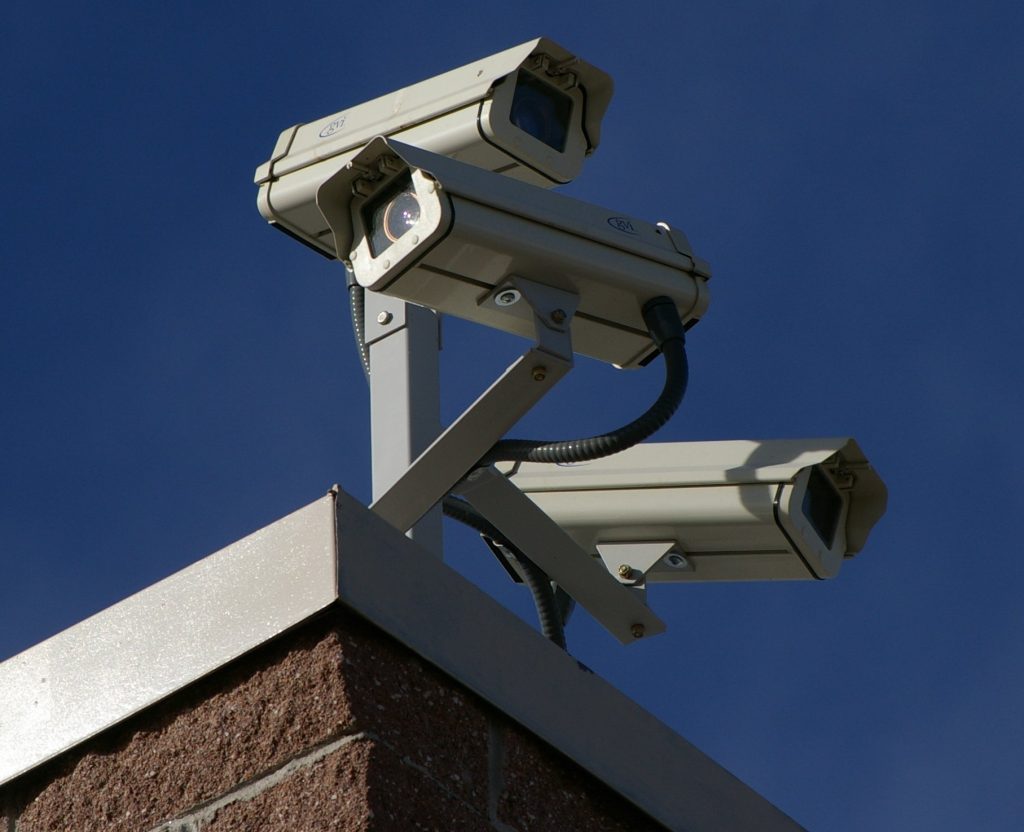
CCTV is already incorporated into some NSW bus-stop planning. Transport’s Rapid Bus Stop Design Guide provides for lighting and CCTV to be integrated with shelter design at rapid bus stops, while the Hunters Hill petition seeks a process for deciding where surveillance may also be warranted at other stops.
CCTV already used in local planning
Hunters Hill Council already includes CCTV within its crime-prevention work. Its Crime Prevention Strategy and Action Plan was informed by crime statistics, a police safety audit and community consultation and sets out measures aimed at strengthening safety in local public spaces.
When the strategy was endorsed in 2022, Council identified CCTV at selected locations alongside improved lighting and signage, facility upgrades and community education. The measures were developed following consultation that included the Ryde Police Area Command.
Privacy rules accompany cameras
Expanding surveillance would also require rules governing the information cameras collect. NSW privacy guidance states that footage showing identifiable people is personal information, and councils must comply with privacy requirements when collecting, storing, using and disclosing it, subject to specific exemptions for public-place CCTV and law-enforcement purposes.
Research by the Australian Institute of Criminology found CCTV footage can assist police investigations in some circumstances. A study of the NSW rail network found cases where footage was provided to police had higher clearance rates overall, although results varied by offence type and gains were greater for theft and property damage than for assault.
Published 22-Sept-2026